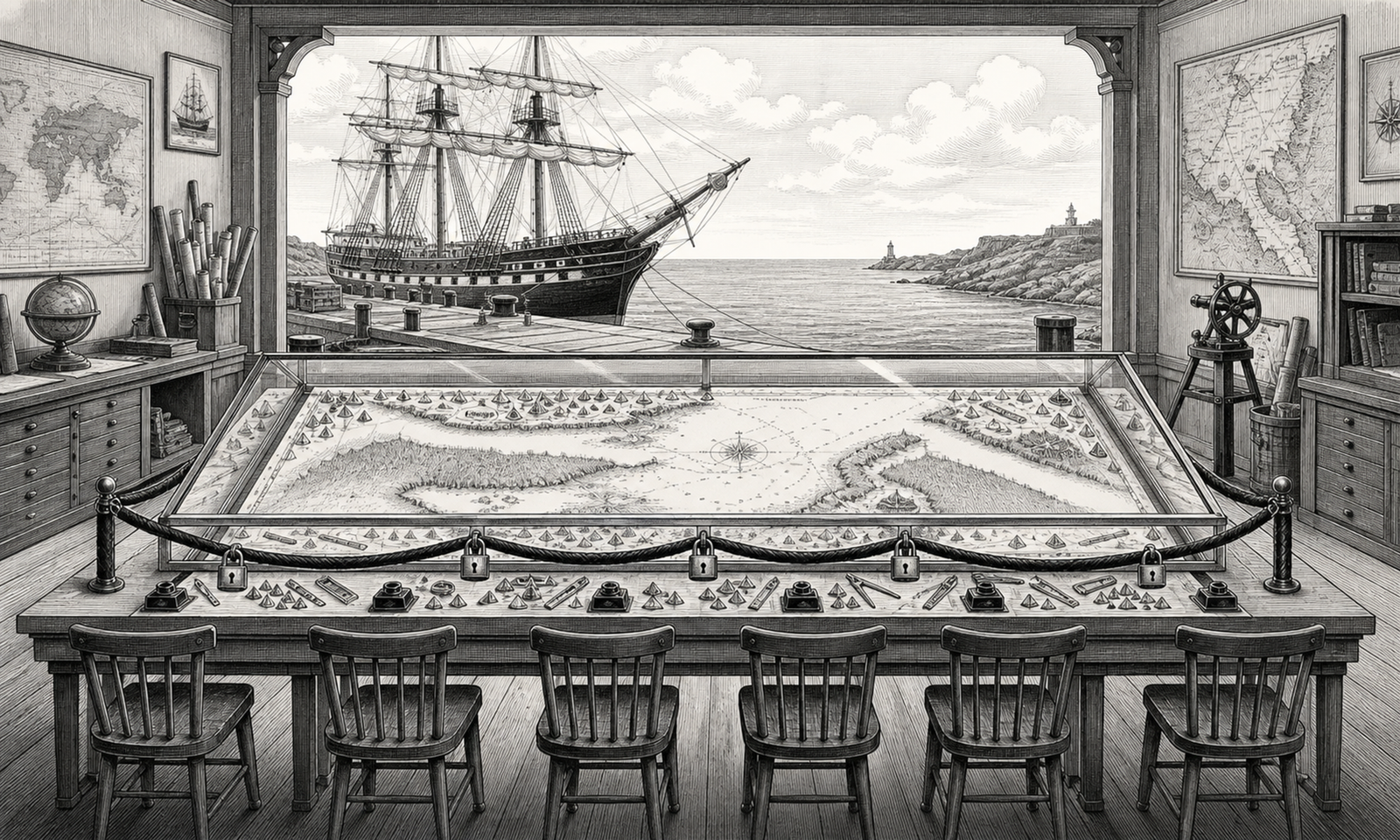
Scenario: You’re in review meeting #6. The team has only reached section three of an ten-section privacy playbook. You go through the comments: one teammate left a comment saying that the statutory deadline is wrong. Yes, that one matters. Further down, another comment asks for a complete redo of an example because the vibes were off. Then, three other people rewrite the same sentence in three different ways to make it flow better. Meanwhile, the people who need the playbook still have nothing.
Call it caution or attention to detail if you want. I call it a hostage situation with a recurring calendar invite. By the time everyone is satisfied, no one remembers what they were trying to solve in the first place, and half the comments belong to people who've retired or no longer care because they took an alternative route.
That's the privacy-specific trap: the organization does not pause without you. Vendors get onboarded, campaigns launch, access requests arrive, and teams keep making executive decisions on what data they may collect, share, retain, or delete. Privacy teams avoid the visible risk of an imperfect resource in exchange for the invisible risk of everyone making inconsistent decisions.
Perfect in review
Zero people can use it
The first three sections are polished. The remaining route is missing, nobody owns the current version, and the audience keeps improvising.
Release value: none
Minimum safe and useful
A complete route exists
The stated scope is accurate, the audience can finish the task, a named owner can correct the resource, and real usage can help improve v2.
Release value: evidence
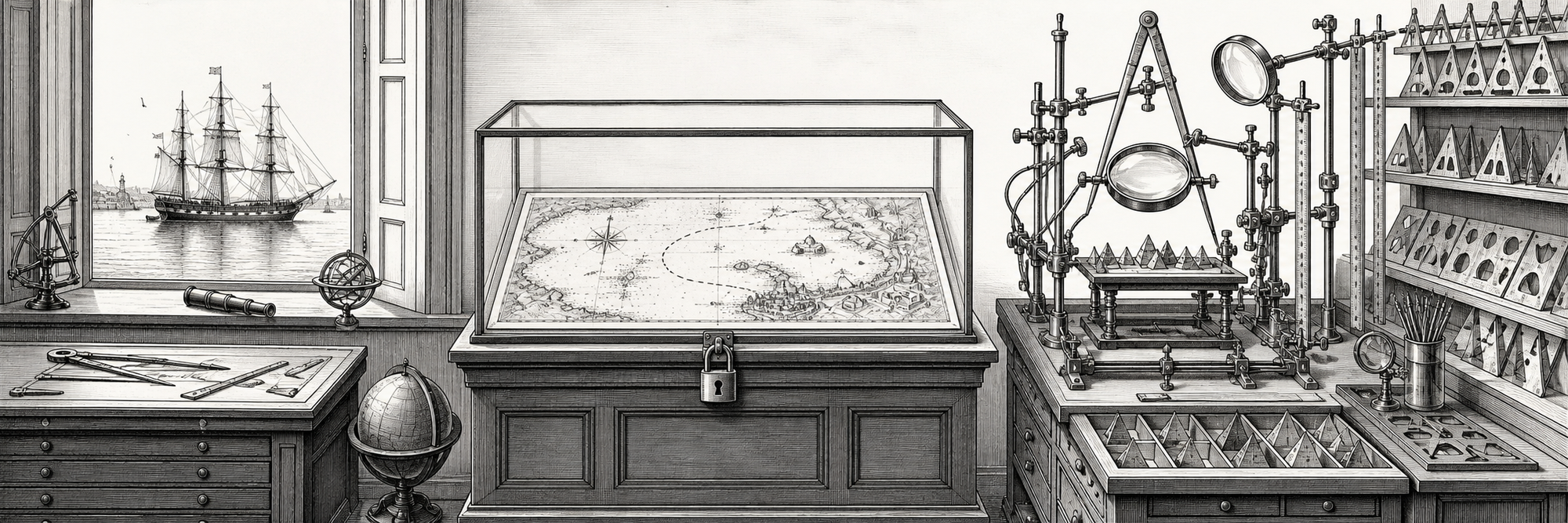
Give the captain the map
We have a pretty accurate map. The coastline is right. The reefs and safe harbors are marked. Unfortunately, we cannot show it to you because we the little triangle mountains are not drawn properly.
If a reef is missing, keep working on the map. If the mountains look ugly, give the captain the map. It's really not rocket appliances.
A misstated requirement, a factual error, a dangerous instruction, or harm that’s difficult to undo can and should block a release. Formatting issue, prose, examples, or a sentence someone would phrase differently belongs in the next version.
Decide what minimum means before the review starts
“Minimum” fails when every reviewer brings their own preferred definition. Where one person sees a reliable checklist in a shared document, another sees an application with workflows, analytics, and a support team. Without an agreed finish line, both can review forever.
Use this as a baseline:
The minimum release is the smallest version that is accurate for its stated scope, useful from beginning to end, safe for its named audience, and easy to correct.
Safe means the team has identified anything that could change an obligation or factual conclusion, steer the user toward a meaningfully different action, or cause harm that would be hard to undo. Easy to correct means a named owner can update, replace, or withdraw the resource through a route the audience can actually use.
Build the whole route before polishing the first turn
A polished first third of a process isn’t a viable process. Start with a thin end-to-end version. Let someone move from the first question to the final outcome, even if some explanations are brief, the formatting is plain, or it just sounds a little off.
Software teams build this discipline into the way they work. Privacy teams can (and should) steal this useful behavior. No, this doesn't mean you need to understand what a deployment pipeline is.
- 1
Keep a working version available
Give the named audience one complete route through the task, even when some explanations are brief.
- 2
Make small changes
Review the changed section and its dependencies instead of restarting the whole document.
- 3
Test the change
Check the requirement, factual claim, user action, and correction path that the change affects.
- 4
Let real use produce evidence
Watch where the intended audience hesitates, misunderstands, or invents a workaround.
- 5
Release the next version
Fix the evidenced problem, record what changed, and keep the current route available.
Match the release gate to the consequence
Internal and reversible
- Examples: FAQs, process maps, training, intake guidance.
- Use a limited audience, named owner, feedback route, and review date.
Decision-shaping
- Examples: assessment aids, vendor-review guidance, data-use standards.
- Add human review, documented assumptions, a controlled pilot, and escalation.
Binding or hard to undo
- Examples: statutory notices, filings, contracts, deadlines, consent flows.
- Require formal validation before broad release.
High-consequence work can still improve in versions. The versions simply move inside stronger guardrails. An unreleased resource isn’t automatically safer; its absence can produce stale guidance, undocumented exceptions, and teams inventing their own rules.
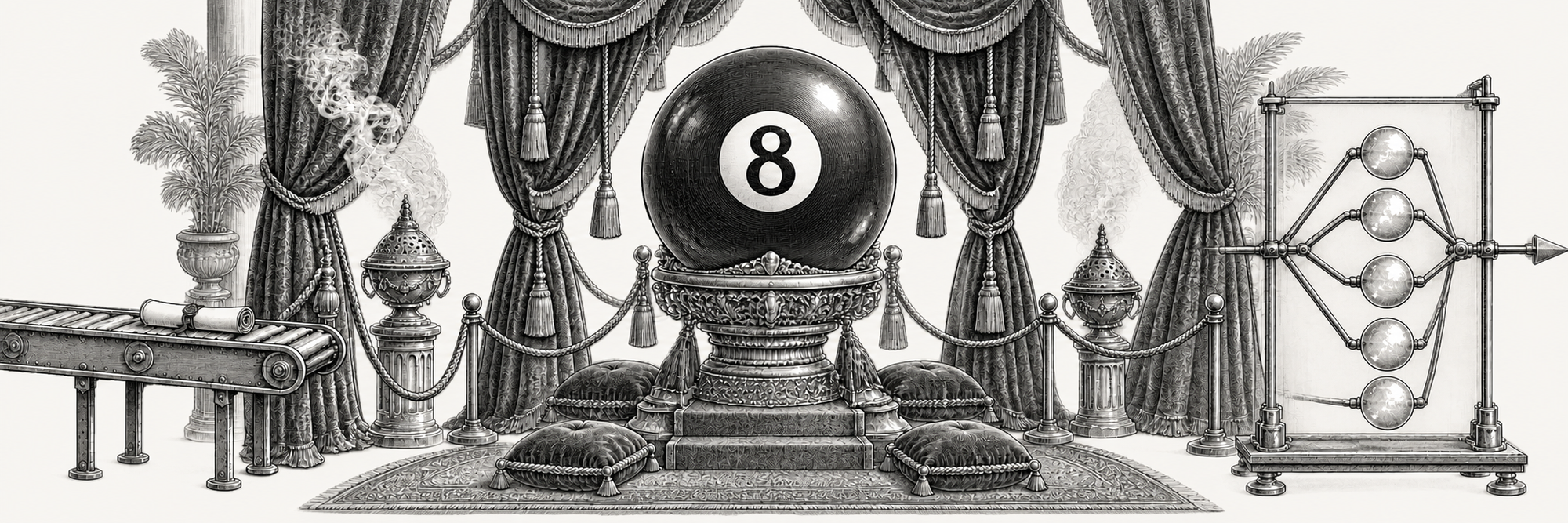
Put one objection through the Oracle
If you need a more objective way to determine whether to fix it or ship it, use the Objection Oracle.
The ball is theatrical, but the decision tree and logic behind it isn’t. No exact target or supported concern means Ship It. A legitimate concern with no release consequence and reversible harm means Next Version. A real release issue with a targeted control or reversible harm means Fix It, Then Ship. A specific, supported issue with no targeted control and harm that’s hard to undo earns Hard Stop.
Shaking it again may change the joke, but it doesn't change the ruling, reason, next action, or recorded answers. The copied receipt includes the answers, timestamp, and rubric version.
V1 is a commitment, not a coronation
V1 was never intended to be the final product. That's the whole idea behind versioning. V1 is just the best version the team is prepared to own for its stated purpose. Real use will improve v2 in ways that another hypothetical review meeting can’t. Privacy teams ask everyone else to make proportionate, risk-based decisions. Sometimes we should try it ourselves.
So give the captain the map. Mark the unchartered waters. Put an owner and a date on it. Draw better mountains when we're on land, not while the captain is trying to get us home.
Ship it.
Catch something wrong, or just want to argue with me? hello@advokatfrida.com